When you step into a casino, you’re entering a world meticulously crafted to heighten excitement, minimize distractions, and subtly encourage you to play longer. From the glitzy lights to the winding floor layouts, every aspect of casino interior design is engineered with one purpose in mind: influencing player behavior. But how exactly do these design elements work their magic? And what does science say about the impact of casino environments on the human mind? Let’s take a deep dive into the art and psychology of casino interiors, and discover how these spaces are built to keep you in the game.
The Psychology Behind Casino Design: Shaping Player Experience
Casinos are not just buildings filled with games; they are psychological playgrounds. The concept of “casino design psychology” was popularized by Bill Friedman in the 1970s and later by Roger Thomas, who introduced a more modern, luxurious approach. Both designers understood that the environment could subtly steer player choices and emotions.
Friedman’s classic design focused on low ceilings, maze-like layouts, and clustering machines to maximize the time players spent inside. Modern casinos, however, have shifted towards open layouts, comfortable seating, and luxurious décor. Despite the shift, the underlying psychological principles remain: keep players engaged, comfortable, and focused on gaming.
.png)
Research published in the Journal of Gambling Studies found that environmental cues—such as lighting, sound, and room layout—significantly affect gambling behaviors, from session length to bet size. According to a study by the University of Waterloo (2016), casino environments can increase “time-on-device” by as much as 30% compared to neutral environments. This demonstrates the powerful effect of design on human behavior.
Lighting, Sound, and Color: The Sensory Science of Casinos
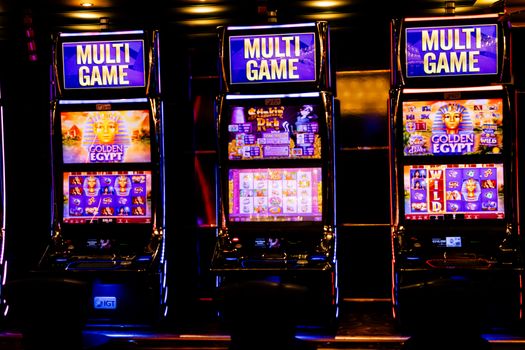
Walk into any casino and you’re immediately enveloped in a world of vibrant colors, flashing lights, and a symphony of sounds. These are not random choices. Sensory design is one of the most potent tools casinos use to create an immersive and stimulating environment.
Lighting: Bright, flashing lights are used to signal wins and create excitement around slot machines and tables. Soft, warm lighting elsewhere makes spaces feel welcoming and keeps players relaxed. A study by Griffiths and Parke (2003) showed that ambient lighting can increase the time players spend at machines by up to 20%.
Sound: The cacophony of slot machines, the clinking of chips, and the background music are all carefully selected. Casinos often use up-tempo music to increase arousal and energy, making players more likely to take risks. Winning sounds, in particular, are exaggerated—even small payouts trigger big celebratory noises.
Color: Red and gold are common in casinos because red is psychologically stimulating and gold connotes wealth and success. These colors increase excitement and make players feel lucky. According to a University of British Columbia study, people exposed to red environments tend to make riskier decisions—a perfect fit for casinos.
Floor Plans and Navigation: The Maze Effect
One of the most subtle yet effective ways casinos influence player behavior is through their floor layout. Casinos are famous for their labyrinthine designs, making it easy to get swept up in the flow of games, amenities, and attractions.
Traditional casino layouts—often called “gaming mazes”—are designed to disorient and slow down movement, increasing the time players spend on the floor. There are rarely any straight lines; instead, the winding paths and strategic placement of games ensure players are constantly exposed to new opportunities to play.
Modern mega-casinos, like those in Las Vegas and Macau, have evolved layouts to incorporate open spaces, natural lighting, and clear sightlines. However, even in these “playgrounds,” the placement of machines, bars, and cashiers is calculated to maximize convenience for players and minimize opportunities to leave.
Consider these statistics: - A 2012 Cornell University study found that maze-like layouts increased the average time spent in the casino by 27%. - In a comparative analysis, casinos with “destination” layouts (open, resort-style) saw a 15% increase in non-gaming revenue, but a 10% decrease in time-on-gaming compared to traditional layouts.Here’s a comparison of the two primary layout styles:
| Design Style | Features | Impact on Player Behavior |
|---|---|---|
| Classic (Maze) | Low ceilings, winding paths, clustered machines | Increases time spent gambling, higher player retention |
| Modern (Resort/Open) | Open spaces, natural light, luxury décor | Enhances comfort, increases non-gaming revenue, slightly reduces gaming time |
Furniture and Layout: Comfort Meets Strategy
Seating and furniture placement might seem trivial, but they play a crucial role in player engagement. Comfortable, ergonomic chairs encourage longer sessions, while the strategic arrangement of slot machines and tables draws players deeper into the casino.
Slot machines are often placed back-to-back, creating “banks” that make it easy for players to hop from one game to another. High-traffic areas, like entrances and walkways, feature attractive machines with high payout rates to entice new arrivals. Meanwhile, high-limit areas are tucked away for privacy and exclusivity, attracting serious gamblers.
Casinos also use subtle cues, like armrests and drink holders, to anticipate player needs and minimize reasons to leave. According to a 2019 report by the American Gaming Association, 68% of players said that comfortable seating and accessible amenities encouraged them to stay longer at the tables or machines.
Time Perception and the Absence of Clocks
One of the most famous tactics in casino design is the deliberate removal of clocks and windows. Without cues to the outside world, players lose track of time—a phenomenon known as “temporal distortion.” This makes it easier to spend hours at the tables or slots without noticing.
In a 2018 survey by YouGov, 74% of casino-goers reported losing track of time while gambling, with the average session lasting 3.2 hours—almost double the time they initially intended to spend. By eliminating external time markers and using continuous lighting, casinos encourage players to remain in the gaming environment far longer than planned.
Some casinos have even experimented with subtle scent marketing, using signature fragrances to boost mood and reduce fatigue. For example, a Las Vegas casino saw a 45% increase in slot machine revenue after introducing a custom scent throughout its gaming floor.
The Social Factor: Seating, Space, and Social Play
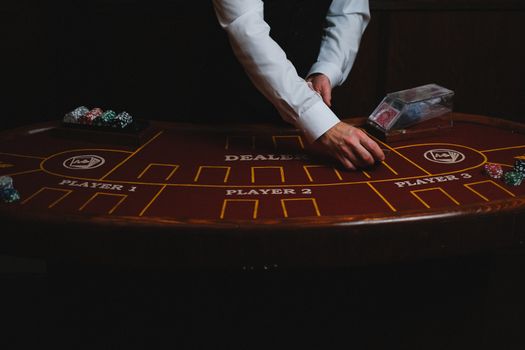
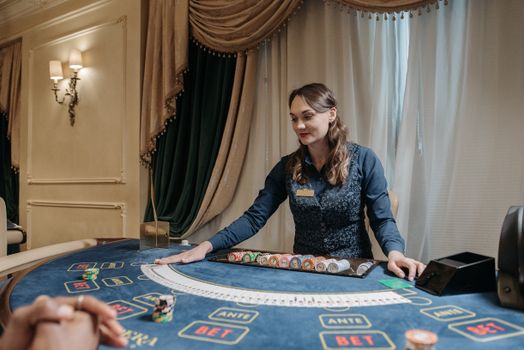
Casino interiors are designed not just for individual play, but also to foster social interaction. Table games like blackjack, roulette, and craps are placed centrally or in high-visibility areas, encouraging group participation and excitement. The energy from these games can be contagious, drawing in passersby who want to join the action.
Lounges, bars, and dining areas are strategically located near gaming zones, making it easy for players to take breaks without leaving the excitement behind. Shared spaces encourage mingling and group play, which studies show can increase both the duration and enjoyment of gambling sessions.
According to the National Council on Problem Gambling, 38% of casino visitors cite “socializing” as one of their primary motivations for visiting. By designing spaces that facilitate interaction, casinos tap into this powerful social drive to keep players engaged.
Final Thoughts on How Casino Interiors Influence Player Behavior
From the color of the carpet to the curve of a hallway, every detail in a casino interior is carefully considered to influence how players feel, think, and act. The combination of sensory stimulation, strategic layout, and social engineering creates an environment where time seems to stand still and the urge to play is ever-present.
These design choices are not random—they are backed by decades of research and billions of dollars in revenue. Whether you’re a casual visitor or a seasoned gamer, understanding how casino interiors are built to shape your experience can help you make more informed decisions the next time you’re tempted by the bright lights and ringing bells of the gaming floor.