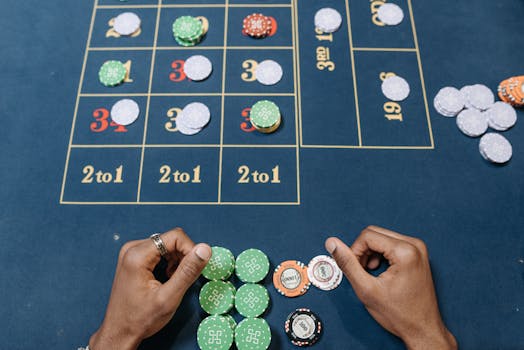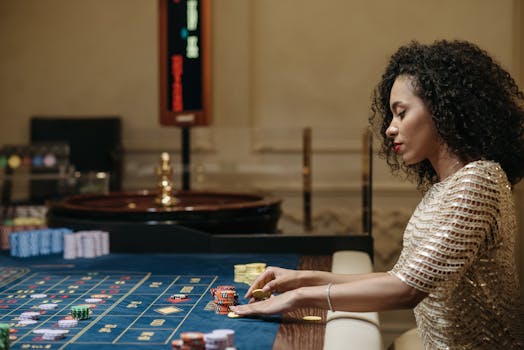
Casino design is more than just aesthetics; it's a carefully crafted psychological tool used to encourage guests to stay longer and spend more. Understanding the psychology behind casino design can provide insights not only for those directly involved in the gaming and entertainment industry but also for businesses and marketers in general, who can learn from these tactics to enhance customer engagement and satisfaction.
In-Depth Look at Casino Design Strategies
- Layout Optimization
- Pathways and Flow: Casinos typically use a complex network of paths and walkways to direct the flow of traffic. These are often curved rather than straight, a method that encourages exploration and reduces the urge to head straight for the exit.
- Clustered Arrangements: Game machines and tables are arranged in clusters, which stimulate curiosity and can lead to increased interaction with more games.
- Sensory Stimulation
- Sound: The sounds in a casino—like the clinking of coins, music, and game sounds—create an energetic atmosphere that can enhance excitement and euphoria.
- Smell: Some casinos even use fragrances pumped into the air to create a pleasing and memorable atmosphere, which can be calming or stimulating, depending on the scent.
- Psychological Rewards
- Near Misses: Slot machines and other electronic games are programmed to frequently show near misses, which can make players feel they are close to a big win, encouraging further attempts.
- Freebies and Comps: Complimentary services and rewards are provided to keep players engaged. This includes free drinks, meals, or hotel stays, depending on the level of spending.
Advantages and Ethical Considerations
.png)
While these design strategies are highly effective in enhancing customer experience and increasing revenue, they also bring ethical considerations. There is a fine line between designing for customer enjoyment and exploiting psychological vulnerabilities.
- Ethical Design: It involves implementing strategies that enhance the guest experience without leading to problematic gambling. Ensuring there are enough informational services about gambling risks and maintaining a fair balance between business and customer care are vital.
Case Studies in Casino Design
Turning to real-world examples, the Venetian Macau is noted for its luxurious design and expansive layout, which includes replicas of famous Venice landmarks to enhance the theme and encourage exploration. Meanwhile, the MGM Grand goes a step further by integrating advanced technology with its design elements, including RFID systems that allow for cashless gambling and advanced security measures.
Conclusion
The effectiveness of a casino's design can be measured by how well it balances the excitement and comfort of its guests with responsible gaming principles. For casino operators, the goal should not only be to increase dwell time and revenue but also to ensure that this is achieved ethically. As businesses, casinos have a responsibility to their patrons to foster environments that prioritize safety and responsible gaming practices alongside innovative design elements.