The Evolution of Slot Machines: A Journey Through Time
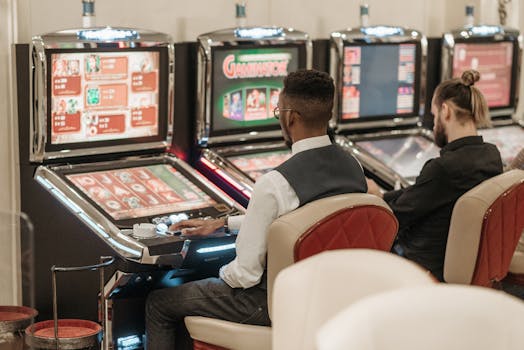
Slot machines are an iconic symbol of gambling, entertainment, and chance. Their colorful lights, spinning reels, and enticing sounds have drawn crowds for well over a century. But beneath the surface glamour lies a fascinating story of technological innovation, cultural adaptation, and societal influence. The journey of the slot machine, from its humble mechanical beginnings to its present-day digital dominance, is a tale as unpredictable and exciting as the games themselves. Let’s spin back through history and explore how these gaming devices have evolved, adapted, and shaped the world of entertainment.
The Birth of the Slot Machine: From Liberty Bell to Fruit Machines
The story of the slot machine begins in the late 19th century. In 1895, Charles Fey, a San Francisco mechanic, invented what’s widely considered the first true slot machine: the Liberty Bell. This device featured three spinning reels and five symbols—horseshoes, diamonds, spades, hearts, and the Liberty Bell. Players would insert a nickel and pull a lever, hoping to align three bells for the top prize of 50 cents. Simple in design but revolutionary in concept, the Liberty Bell quickly became a hit in bars and saloons.
Fey’s machine set the standard for the basic mechanics of slot gaming: spinning reels, a payline, and an automatic payout system. By the early 1900s, slot machines were spreading rapidly, but gambling laws varied greatly across regions. To circumvent anti-gambling legislation, manufacturers replaced monetary prizes with items like gum or candy—a clever adaptation that gave rise to the “fruit machines.” These machines, featuring colorful fruit symbols like cherries and lemons, awarded winners with corresponding flavors of chewing gum.
.png)
By 1910, slot machines could be found across the United States and even internationally. The combination of mechanical ingenuity and adaptability made them a mainstay of popular culture, setting the stage for further innovation.
The Electromechanical Revolution: Lights, Sounds, and Bigger Wins
The next major transformation in slot machine technology occurred in the 1960s with the emergence of electromechanical devices. In 1963, Bally Manufacturing introduced Money Honey, the first fully electromechanical slot machine. This innovation allowed for automatic payouts of up to 500 coins without the need for an attendant, and it introduced the now-familiar flashing lights and ringing bells.
Electromechanical slots enabled the creation of more complex games, with multiple paylines and higher jackpots. The addition of electric components also paved the way for new features, such as the “hold” and “nudge” functions, which gave players a sense of greater control and engagement.
The popularity of these machines soared. By 1976, slot machines accounted for roughly 70% of the revenue in many Las Vegas casinos, compared to just 30% in the 1950s. The combination of immersive sensory feedback, larger payouts, and the thrill of chance made slots a favorite among gamblers, propelling the industry into a new era.
The Digital Leap: Microprocessors and Video Slots
The late 1970s and 1980s marked the digital revolution for slot machines. The introduction of microprocessors and computer chips fundamentally changed how these devices operated. In 1976, the world’s first video slot machine was developed by the Fortune Coin Company. Instead of physical reels, it used a Sony color television to display the game, with the outcomes determined by a random number generator (RNG).
This leap in technology allowed for more creative freedom. Game designers could now include bonus rounds, multi-line play, and a wide variety of themes, from ancient Egypt to blockbuster movies. The inclusion of RNGs made games more secure and fair, ensuring each spin was independent and unpredictable.
By the 1990s, video slots were the norm in casinos worldwide. They offered larger jackpots, interactive features, and visually engaging graphics. For example, the progressive jackpot, introduced in 1986 with International Game Technology’s (IGT) Megabucks machine, linked multiple machines together, allowing jackpots to reach into the millions. In 2003, a record-breaking Megabucks payout awarded $39.7 million to a lucky player at the Excalibur Casino in Las Vegas.
The Online Slot Era: Accessibility and Innovation
The rise of the internet in the mid-1990s brought another seismic shift: online casinos. In 1994, Microgaming launched the first true online casino, featuring digital versions of classic slot machine games. Suddenly, players no longer needed to visit a brick-and-mortar casino to enjoy their favorite slots; the games were accessible from any computer with an internet connection.
Online slots offered unprecedented variety and convenience. Developers could experiment with new formats, bonus features, and social elements. The online environment also fostered competition, leading to rapid advancements in graphics, sound, and gameplay complexity.
As of 2023, online gambling is a global industry worth over $95 billion, with online slot machines making up approximately 70% of casino game play. The ability to play for real money, free, or even with cryptocurrencies has broadened the appeal to millions of new players worldwide.
Mobile Gaming and the Rise of Social Slots
The proliferation of smartphones in the late 2000s and 2010s pushed slot machines into yet another new frontier: mobile gaming. In 2007, Apple’s iPhone revolutionized mobile technology, and casino game developers quickly adapted. By 2012, mobile slots accounted for roughly 10% of all online gaming revenue; by 2022, that figure had soared to over 50%, according to industry reports.
Mobile slots offer portability, touch-screen interactivity, and seamless integration with social networks. Games like Slotomania and DoubleDown Casino have attracted tens of millions of downloads, blending traditional slot gameplay with social features like leaderboards, gifting, and tournaments. These social slots often use a “freemium” model—free to play, with optional in-app purchases for extra credits or bonuses.
The impact has been profound: a 2021 study found the average mobile slot player spends nearly 30 minutes per session, almost double the time spent on other mobile games. This shift highlights how slot gaming has adapted to fit modern lifestyles, offering entertainment on demand.
Slot Machines Through the Ages: A Comparative Overview
To better understand the rapid evolution of slot machines, it’s helpful to compare key characteristics across different eras. The table below summarizes major features and milestones:
| Era | Technology | Key Features | Notable Example | Typical Jackpot |
|---|---|---|---|---|
| 1890s–1940s | Mechanical | Reels, lever, coin payout | Liberty Bell | Up to 50 cents |
| 1960s–1970s | Electromechanical | Lights, sounds, multiple paylines | Money Honey | Up to 500 coins |
| 1980s–1990s | Microprocessor, video | RNG, bonus rounds, progressives | Megabucks | Millions (record: $39.7M in 2003) |
| 1990s–2010s | Internet, online | Digital graphics, global access | Online slots (Microgaming) | Varies, often progressive |
| 2010s–today | Mobile, social, crypto | Touchscreens, social features, cryptocurrencies | Slotomania, crypto slots | Variable, often multimillion |
The Future of Slot Machines: Where Innovation Meets Entertainment
Looking forward, slot machines are poised for even more dramatic changes. Virtual reality (VR) and augmented reality (AR) are already making inroads, offering immersive gaming experiences that blend 3D graphics with real-world environments. Blockchain technology is enabling provably fair games and new forms of digital ownership, such as NFTs (non-fungible tokens) used as in-game assets, bonuses, or exclusive content.
Artificial intelligence (AI) is also beginning to shape personalized gaming experiences, tailoring bonuses, themes, and even difficulty levels to individual players. And with global mobile penetration expected to exceed 75% by 2025, the future of slot gaming will likely be even more social, accessible, and innovative.
Yet, despite all these advances, the core appeal of slot machines remains unchanged: the thrill of the spin, the anticipation of a win, and the joy of simple, accessible entertainment.
Conclusion
The evolution of slot machines is a remarkable journey marked by creativity, adaptation, and ever-increasing sophistication. From Charles Fey’s Liberty Bell to today’s mobile and online slots, these machines have mirrored broader technological and cultural shifts, constantly reinventing themselves to capture the imaginations of each new generation. With their blend of chance, excitement, and technological ingenuity, slot machines are likely to remain a fixture of entertainment for decades to come—no matter what form they take next.