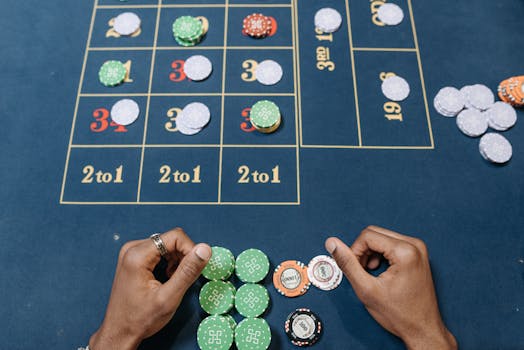
The allure of casinos is a multifaceted psychological phenomenon that taps into basic human instincts and social behaviors. Understanding these factors can help individuals engage with gambling in a more informed and cautious manner. Here are the key psychological elements that contribute to the appeal of casinos:
- Sensory Stimulation: Casinos are masterfully designed to provide a feast for the senses. Bright lights, exciting sounds, and the constant action of games create an environment that can be exhilarating. This intense sensory stimulation can trigger the release of dopamine, a neurotransmitter associated with pleasure and reward, which makes the casino experience particularly engaging.
- The Promise of Reward: At its core, gambling is about the thrill of risk and the possibility of reward. The chance to win money, especially in significant amounts, is a compelling lure for many. This potential for financial gain can often override rational judgment and encourage continued play, even in the face of losses.
- Social Interaction: Casinos are not just about gambling; they are social venues. Many people visit casinos with friends or meet new people there, adding a significant social element to the appeal. The communal nature of gambling games like craps or roulette can enhance the excitement of the experience, making it more enjoyable and difficult to resist.
- Near Misses: The concept of the "near miss" can have a powerful effect on the gambler's psyche. When individuals come close to winning, they often feel an increased sense of anticipation and a belief that success is imminent. This can encourage more persistent gambling as players chase the win they feel is just around the corner.
- Timelessness: Casinos are carefully designed to create a timeless space where normal cues of time passing (like windows or clocks) are absent. This can make it easier for players to lose track of time and spend longer periods engaged in gambling.
- Illusion of Control: Games that require a level of skill or decision-making, such as poker or blackjack, can give players the illusion that they can exert control over the outcome of the game. This can lead to an overconfidence in one's gambling abilities and encourage riskier bets.
- Cultural Glamorization: The portrayal of gambling in media and popular culture often emphasizes a glamorous, exciting, and successful lifestyle associated with it. Such portrayals can diminish the perceived risks of gambling and enhance its appeal.
By recognizing these psychological triggers, individuals can approach gambling more critically and responsibly. Setting limits on the amount of time and money spent, understanding the odds of the games, and recognizing when it's time to stop can help mitigate the risks and ensure that gambling remains a form of entertainment rather than a problem.
In summary, while the psychological allure of casinos is powerful, awareness and proactive measures can help individuals enjoy gambling responsibly and safely.
.png)