The art of card counting has fascinated gamblers, mathematicians, and casino operators for decades. Popularized by Hollywood films and legendary blackjack teams, card counting often conjures images of high-stakes drama and big wins. But what is card counting, how does it really work, and most importantly—where does the law stand on this controversial technique? This article explores the history, mechanics, myths, and legal realities of card counting, separating fact from fiction and providing a clear-eyed view for anyone curious about this high-skill gambling strategy.
The Mechanics Behind Card Counting
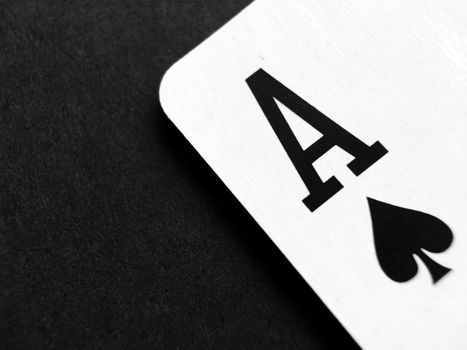
At its core, card counting is a mathematical system used in blackjack to track the ratio of high to low cards remaining in the deck. Unlike other casino games that rely purely on chance, blackjack players can use information from previously played cards to inform betting and playing decisions. The most common system, known as the Hi-Lo method, assigns a value to each card:
- Cards 2-6: +1 - Cards 7-9: 0 - Cards 10, J, Q, K, A: -1As each card appears, the counter mentally tallies these values. A positive count means more high cards (tens, face cards, aces) remain, increasing the player's advantage. Conversely, a negative count suggests low cards dominate, favoring the house. Professional counters keep a "running count" and adjust their bets accordingly: betting more when the count is favorable and less (or even exiting the game) when it isn't.
.png)
A key point: card counting does not guarantee victory or predict specific cards. Instead, it helps skilled players make statistically better choices over the long run, shaving the house edge from 0.5-1% down to zero or even flipping it in their favor by a small margin. According to the American Gaming Association, proficient card counters can achieve a 1-2% edge over the casino when playing optimally.
Card Counting in Popular Culture vs. Reality
Many people's understanding of card counting is shaped by movies such as "Rain Man" or "21," where genius-level memory and secret signals lead to massive windfalls. While these stories are rooted in truth—such as the exploits of the MIT Blackjack Team in the 1980s and 1990s—the reality is far less glamorous and much more challenging.
Real-life card counting requires intense concentration, stamina, and teamwork. Most professional counters operate in groups, with roles like "spotters" who keep track of the count and "big players" who swoop in to place large bets when conditions are right. This approach helps avoid detection but demands discipline and coordination.
Success is never guaranteed: casinos use multiple decks, shuffle frequently, and employ surveillance to thwart counters. According to blackjack expert Arnold Snyder, even highly skilled players might only make a profit of $50 per hour—a far cry from Hollywood's multi-million-dollar hauls.
How Casinos Combat Card Counting
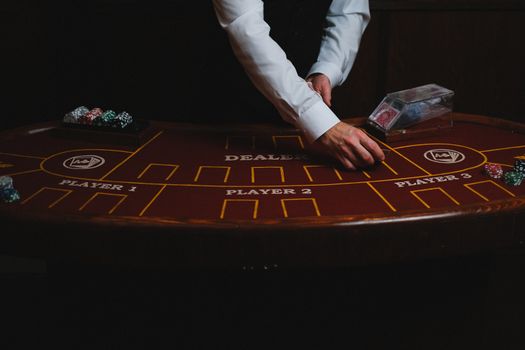
Casinos are keenly aware of card counting and invest significant resources to minimize its impact. Although card counting is not cheating—because it uses no external devices or marked cards—casinos reserve the right to refuse service or ban players they suspect of counting.
Here’s a comparative overview of common casino countermeasures:
| Countermeasure | Description | Effectiveness |
|---|---|---|
| Multiple Decks | Using 6 or 8 decks instead of 1-2 | Reduces effectiveness of counting by diluting the impact of each card |
| Frequent Shuffling | Randomly shuffling before the shoe is finished | Resets the count, making long-term tracking difficult |
| Automatic Shuffling Machines | Continuous shuffling machines (CSMs) keep cards in constant motion | Eliminates the possibility of maintaining a running count |
| Surveillance & Pit Boss Monitoring | Using cameras and staff to observe suspicious play | Highly effective; allows casinos to identify and intervene with counters |
| Betting Limits & Table Rules | Adjusting minimum/maximum bets or changing rules (e.g., payout on blackjack) | Reduces player edge and flexibility |
The result: while card counting is possible, it has become significantly more difficult in modern casinos. According to a 2022 study published in the Journal of Gambling Studies, less than 1% of blackjack players today are successful card counters.
The Legal Status of Card Counting Worldwide
The legality of card counting is a nuanced and often misunderstood subject. In most jurisdictions, counting cards is not illegal because it relies solely on mental skill—no devices or cheating are involved. However, casinos are private establishments and can set their own house rules.
Let’s break down the legal situation in key regions:
- United States: No federal or state law specifically outlaws card counting. However, casinos have wide latitude to refuse service or ban suspected counters. Some states (like Nevada) explicitly permit casinos to exclude players at their discretion. - United Kingdom: Card counting is also legal, but casinos may bar or restrict players who use such strategies under their terms of service. - Australia: Card counting is not illegal, but as in other countries, casinos may eject or blacklist card counters. - Macau: As one of the world’s largest gambling hubs, Macau has no law against card counting, but casinos are aggressive in removing skilled players. - Online Casinos: Card counting is virtually impossible at online blackjack tables due to software randomization and frequent reshuffling.Notably, using devices or collaborating with dealers to cheat at blackjack is illegal everywhere—and can result in criminal prosecution.
Myths and Misconceptions About Card Counting
Card counting is surrounded by myths that often mislead both players and casino operators. Let’s debunk some of the most persistent:
- "You need a photographic memory": Effective card counting only requires basic addition and subtraction, not superhuman recall. - "Card counting is a form of cheating": As established, card counting is a legal strategy based on observation and mental calculation. - "Casinos can have you arrested for counting": While they can remove or ban players, criminal prosecution is only possible if cheating devices or collusion are involved. - "Anyone can get rich with card counting": Success rates are low, and profits are modest relative to the time and risk involved.A 2018 survey by the National Council on Problem Gambling found that only 3% of regular casino patrons had ever attempted card counting, and of those, only a fraction reported consistent success.
Card Counting: Skill, Risk, and the Future
Despite its allure, card counting is not a magic bullet for beating the house. It is a skill-intensive pursuit that requires training, discipline, and a high tolerance for risk. Most casinos have adapted their rules and technologies to make life difficult for card counters, and the rise of online and automated blackjack tables has further eroded opportunities.
That said, the art of card counting remains a testament to the power of mathematics and human ingenuity in the gambling world. For those willing to put in the effort, it offers a unique intellectual challenge—and a glimpse into the ongoing cat-and-mouse game between players and the house.