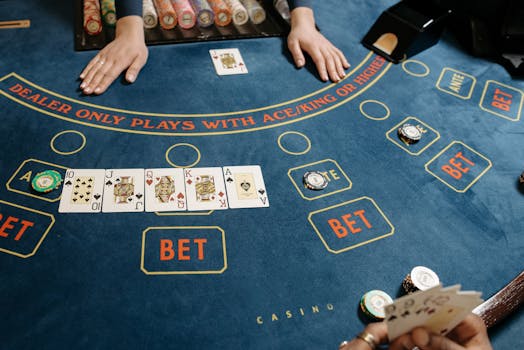
Stepping into the world of high-stakes poker for the first time is more than just a leap in bet size—it’s an immersion into a unique culture with its own etiquette, psychology, and unspoken rules. The tension is palpable, the chips stacked high, and the pressure unlike anything found at low-limit games or home poker nights. Whether you’re a seasoned player ready to move up or a curious newcomer invited to the big leagues, surviving your first high-stakes poker game requires more than technical skill. It demands social awareness, emotional control, and strategic adaptation. Here’s what you need to know before you take your seat at the table where fortunes can change in a single hand.
The Unwritten Rules: Navigating High-Stakes Poker Culture
High-stakes poker is a world apart from Saturday night games with friends. The buy-in alone can range from $10,000 to over $100,000, and the personalities at the table are often as formidable as the bankrolls. Etiquette and behavior play as much a part in survival as hand selection or betting strategy.
For instance, table talk is often used for psychological warfare. Top professionals like Daniel Negreanu and Phil Hellmuth are known for their banter, which can be both intimidating and distracting. However, in high-stakes games, excessive celebration, slow-rolling, or criticizing opponents’ play is frowned upon. Such breaches can mark you as an amateur and make you a target for experienced sharks.
.png)
Furthermore, attention to protocol is critical. Always act in turn, verbally declare your actions when necessary, and keep your chips visible and neatly stacked. Even small mistakes, like splashing the pot or string betting, can draw unwanted attention or even penalties. If you’re playing in a casino, familiarize yourself with their specific house rules beforehand.
Emotional Resilience: Keeping Your Cool Under Pressure
One of the most significant challenges in high-stakes poker is managing your emotions. The swings are enormous—both in terms of money and mental strain. A single hand can mean a five- or six-figure swing, and even the best players in the world have experienced heart-stopping losses.
According to a 2017 study published in the Journal of Gambling Studies, professional poker players list emotional control as their most essential skill, ranking it above mathematical ability and reading opponents. Emotional resilience is not just about masking your reactions but about maintaining focus and making rational decisions regardless of the outcome.
For your first high-stakes game, set clear mental boundaries. Decide in advance how much you’re willing to lose and stick to it. If you find yourself tilting—playing recklessly due to frustration or anger—take a break, walk around, or even consider leaving the game. Remember that the ability to quit when you’re off your game is a hallmark of a true high-stakes player.
Strategic Adjustments: How High-Stakes Differs from Low Stakes
Many newcomers underestimate the strategic leap required when moving into high-stakes territory. At lower stakes, players often make basic mistakes, play too many hands, or ignore position. At high stakes, the standard of play is far higher and the competition more sophisticated.
Bluffing, for example, is far less effective against inexperienced players, but in high-stakes games, it’s a core component of the meta-game. Players are constantly adjusting their strategies, balancing their ranges, and looking for patterns in your play. According to data from the World Series of Poker, players in $10,000+ buy-in events show a bluff frequency of 22% on the river, compared to just 11% in games with a buy-in under $1,000.
Here’s a comparison of typical player characteristics at different stakes:
| Aspect | Low-Stakes Poker | High-Stakes Poker |
|---|---|---|
| Average Buy-In | $50 - $500 | $10,000 and up |
| Common Player Skill Level | Beginner to Intermediate | Advanced to Professional |
| Bluff Frequency (River) | 11% | 22% |
| Pot Size Variability | Small to Moderate | Highly Variable, Often Large |
| Psychological Pressure | Low to Medium | High |
| Game Duration | 1-3 hours | 4-12 hours |
Understanding these differences is vital. Tighten up your hand selection, pay close attention to position, and avoid fancy plays unless you have a clear read on your opponents. Remember, in high-stakes games, your mistakes are magnified—not only in cost but also in how quickly other players will exploit them.
Bankroll Management: Safeguarding Your Poker Future
Perhaps the most overlooked aspect of surviving high-stakes poker is managing your bankroll. The volatility is immense; even world-class players can go on losing streaks that last for months. The consensus among professionals is that you should have at least 40 buy-ins for the stakes you’re playing. For a $10,000 buy-in game, that means a bankroll of at least $400,000.
A 2022 survey by PokerNews found that 67% of high-stakes regulars had experienced a losing streak that wiped out at least 20% of their bankroll at one point. That’s why it’s crucial to treat your bankroll as a business asset, not gambling money. Track every session, avoid playing above your means, and never buy-in with money you can’t afford to lose.
It’s also wise to set stop-loss limits—predefined points at which you’ll quit for the day, regardless of how you feel. This discipline protects you from emotional decision-making and helps ensure you survive the inevitable downswings that even the best face.
Reading the Room: Understanding Opponents and Table Dynamics
At high stakes, your ability to read the table and adapt is as important as playing premium hands. The players you’ll encounter range from seasoned pros to wealthy amateurs, and each brings a different energy and set of motivations.
Take note of who seems comfortable and who appears nervous. Pros will often chat casually, stack their chips methodically, and rarely show emotion. Wealthy recreational players, sometimes called “whales,” may play more hands, talk more, and be prone to larger mistakes. Adjust your approach accordingly—against pros, avoid unnecessary risks and focus on solid, balanced play. Against amateurs, look for opportunities to capitalize on their looser tendencies.
Also, pay attention to the mood of the table. A tense, silent table signals a serious, competitive group; a relaxed, talkative environment may indicate more recreational players. Table dynamics can change quickly after a big hand or confrontation, so stay alert. As the saying goes in poker, “If you can’t spot the sucker in your first half hour at the table, then you are the sucker.”
Essential Preparation: What to Do Before You Sit Down
Preparation is your secret weapon. Before you ever sit at a high-stakes table, spend time observing similar games. Many casinos and online platforms allow you to watch high-stakes tables without participating. Notice how the regulars handle themselves, how often they see flops, and the pace of the game.
Study hand histories from televised games or online streams. Focus on how top pros handle tough spots, especially when facing large bets. Resources like the Global Poker Index and the Hendon Mob database can provide insights into the backgrounds and tendencies of regular high-stakes players.
If you’re playing live, dress appropriately—most high-stakes rooms have a business casual dress code. Make sure you have the necessary funds available, and arrange for a secure way to carry or wire money if needed. Double-check the rules on buy-ins, rebuys, and time charges.
Finally, take care of yourself physically and mentally. High-stakes sessions can last many hours. Eat a good meal beforehand, stay hydrated, and ensure you’re well-rested. Your focus and stamina could mean the difference between a profitable session and an expensive lesson.
Staying Grounded: Final Thoughts on Surviving Your First High-Stakes Poker Game
Surviving your first high-stakes poker game is as much about mindset and preparation as it is about card skills. By respecting the culture, managing your emotions, adapting your strategy, protecting your bankroll, and reading the room, you give yourself the best chance not only to survive but to thrive.
Remember, every high-stakes regular was once a newcomer, too. The experience can be exhilarating and intimidating, but it’s also an opportunity for growth—both as a player and as a person. Win or lose, your first high-stakes game will teach you more about poker and yourself than any book or video ever could.