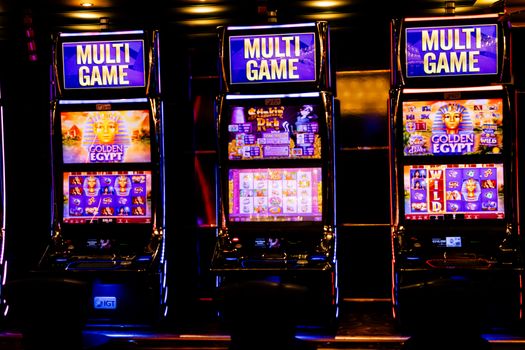
Casinos have always been at the forefront of innovation, blending glamour with cutting-edge technology to create unforgettable experiences. In recent years, one technological advancement stands out from the rest: Artificial Intelligence (AI). Far from the stuff of science fiction, AI is already transforming the gaming industry, streamlining operations, improving security, and personalizing player interactions. As global casino revenues reached over $231 billion in 2023, the pressure to stay competitive has never been greater—and AI is quickly becoming the secret weapon for operators worldwide.
But what does introducing AI into casino operations actually mean? How is it being used, and more importantly, what are the tangible benefits for both casinos and their patrons? This deep dive explores the multi-faceted advantages of deploying AI across casino floors and back offices, providing a clear-eyed look at why this revolution is only just beginning.
Enhancing Customer Experience with AI-Powered Personalization
One of the most prominent ways AI is reshaping casino operations is through personalized customer experiences. Modern players expect more than just games—they crave tailored offers, recommendations, and service that makes them feel valued. AI delivers on this expectation by analyzing massive amounts of player data in real-time.
.png) For example, sophisticated algorithms can track a guest’s game preferences, betting patterns, and even the time they like to play. With this information, casinos can:
- Suggest games or promotions they are likely to enjoy
- Offer targeted bonuses or loyalty rewards
- Provide personalized dining or entertainment recommendations
For example, sophisticated algorithms can track a guest’s game preferences, betting patterns, and even the time they like to play. With this information, casinos can:
- Suggest games or promotions they are likely to enjoy
- Offer targeted bonuses or loyalty rewards
- Provide personalized dining or entertainment recommendations
A 2022 Accenture report indicated that 91% of consumers are more likely to shop with brands that remember and provide relevant offers. For casinos, meeting this expectation can increase player retention rates by up to 25%. In Las Vegas, several resorts have implemented AI-driven mobile apps that serve as digital concierges, adapting their suggestions to each guest’s preferences and spending habits.
AI and Casino Security: Preventing Fraud and Cheating
Security is paramount in the gaming industry, and AI is rapidly enhancing the ability of casinos to detect and prevent fraud. Traditional surveillance systems relied heavily on human oversight, but AI-powered video analytics can now process thousands of camera feeds simultaneously, flagging suspicious behavior in real-time.
AI security systems can identify: - Card counting and other advantage play techniques - Collusion between players at table games - Unusual betting patterns that may indicate money laundering or fraudAccording to the American Gaming Association, casinos lose an estimated $1 billion annually to cheating and fraud. By leveraging AI, some properties have reported a 30% reduction in fraudulent incidents. For instance, facial recognition algorithms can instantly alert security staff if a banned individual attempts to enter, while machine learning models can continuously adapt to new cheating methods.
Optimizing Operational Efficiency with AI
Running a casino is a complex, resource-intensive operation. AI excels at streamlining these processes, leading to significant cost savings and improved performance. From staffing to supply chain management, AI-driven optimization is making a tangible impact.
Consider these examples: - Dynamic scheduling tools can predict peak hours and adjust staffing levels accordingly, reducing labor costs by up to 15%. - Inventory management systems powered by AI ensure restaurants and bars are stocked based on predictive demand, minimizing waste. - AI algorithms can adjust slot machine placements on the gaming floor to maximize engagement and profitability.To illustrate the operational improvements, here’s a comparative overview:
| Area | Traditional Approach | AI-Driven Approach | Reported Improvement |
|---|---|---|---|
| Staff Scheduling | Manual, based on experience | Predictive analytics, real-time adjustments | Up to 15% labor cost reduction |
| Inventory Management | Periodic manual checks | Automated, demand forecasting | 10-20% less food/beverage waste |
| Game Floor Layout | Annual or semi-annual reviews | Continuous data-driven optimization | 5-8% increase in slot revenue |
These improvements not only increase profitability but also allow staff to focus on high-value tasks, such as customer service.
Responsible Gaming and Player Protection
AI doesn’t just benefit the casino—it also plays a vital role in protecting players. As responsible gaming becomes a central pillar of industry regulation, AI is being deployed to identify problematic gambling behavior before it escalates.
Machine learning models analyze player data for red flags, such as: - Sudden increases in wager amounts or frequency - Chasing losses or erratic betting patterns - Prolonged gaming sessions without breaksWhen such patterns are detected, the system can automatically trigger responsible gaming interventions. These may include sending personalized warnings, offering self-exclusion options, or alerting support staff to reach out discreetly. In 2021, Kindred Group reported a 75% success rate in reducing harmful gambling patterns after deploying AI-driven interventions across its platforms.
By proactively addressing problem gambling, casinos not only comply with regulatory requirements but also foster a safer, more sustainable gaming environment for their patrons.
AI-Driven Marketing and Revenue Growth
Marketing in the casino world is fiercely competitive. AI provides operators with the tools to fine-tune their messaging and maximize return on investment. Advanced segmentation enables highly targeted campaigns, ensuring the right offer reaches the right player at the right time.
Key benefits include: - Increased campaign conversion rates: AI analyzes historical player data to identify segments most likely to respond to specific promotions. - Automated A/B testing: AI rapidly tests different marketing messages, optimizing for those that drive the best results. - Real-time adjustments: Campaigns can be tweaked in the moment based on live data, improving overall effectiveness.Caesars Entertainment, for example, credits AI-based marketing tools with helping them achieve a 22% increase in loyalty program sign-ups in just one year. By harnessing the predictive power of AI, casinos can drive incremental revenue while delivering more relevant, engaging offers to their players.
Challenges and Considerations When Adopting AI in Casinos
While the benefits are compelling, integrating AI into casino operations is not without challenges. First and foremost is the need for high-quality data. AI systems are only as good as the information they process, and inconsistent or incomplete data can lead to inaccurate recommendations or missed security threats.
Other key considerations include: - Data privacy: With great power comes great responsibility. Protecting sensitive player and operational data is paramount, and casinos must comply with regulations like GDPR and CCPA. - Change management: Staff need to be trained not only to use new AI tools but also to understand their implications for daily operations. - Cost: While AI can yield significant long-term savings, the upfront investment in technology and expertise can be substantial, especially for smaller operators.Despite these hurdles, industry trends suggest that AI adoption will continue to accelerate. In 2023, 38% of global casinos reported active AI projects, up from just 10% five years earlier. As the technology matures, costs are expected to decrease, making AI accessible to a broader range of operators.
The Future of AI in Casino Operations: A Transformative Journey
The introduction of AI into casino operations is more than a passing trend—it’s a transformative shift that’s redefining how the industry operates. From personalized experiences and enhanced security to operational efficiency and responsible gaming, AI offers a multitude of benefits for casinos and their guests.
As technology continues to evolve, we can expect even more sophisticated applications, such as AI-powered dealers, real-time translation for international guests, and predictive maintenance for gaming machines. For operators willing to embrace change, the rewards are substantial: greater profitability, improved customer loyalty, and a safer, more enjoyable environment for all.
In summary, AI is not just the future of casino operations—it’s the present. Those who invest wisely today will shape the gaming experiences of tomorrow.