The Evolution of Slot Machines: A Journey Through Time
Slot machines are now a global icon of entertainment, found in casinos from Las Vegas to Macau and even on our smartphones. Their journey from mechanical contraptions in dusty saloons to sophisticated digital experiences is a fascinating story of innovation, psychology, and social change. Let’s take a journey through time to uncover how slot machines have evolved, the technology that shaped them, and how they have transformed the very nature of gambling.
The Birth of the Slot Machine: Late 19th Century Innovation
The slot machine’s roots can be traced back to the late 1800s in the United States. In 1891, Sittman and Pitt of Brooklyn, New York, developed a gambling machine based on poker, featuring five drums holding a total of 50 card faces. Players inserted a nickel and pulled a lever to spin the drums, aiming for a poker hand. However, payouts weren’t automatic—winners claimed their prizes, such as beer or cigars, from the bar.
The real leap came in 1895 when Charles Fey, a San Francisco mechanic, invented the Liberty Bell machine. This three-reel device replaced the card system with easily recognizable symbols: horseshoes, diamonds, spades, hearts, and the cracked Liberty Bell. It offered automatic payouts for matching symbols, with the top prize being 50 cents for three bells. Fey’s machine proved immensely popular, inspiring imitators and setting the template for slot games for decades.
.png) Key Facts:
- The Liberty Bell was the first slot machine with automatic payouts.
- By 1908, Herbert Mills introduced the “Operator Bell,” featuring fruit symbols for the first time—still seen in many slot games today.
- Early machines paid out in gum or candy to skirt anti-gambling laws.
Key Facts:
- The Liberty Bell was the first slot machine with automatic payouts.
- By 1908, Herbert Mills introduced the “Operator Bell,” featuring fruit symbols for the first time—still seen in many slot games today.
- Early machines paid out in gum or candy to skirt anti-gambling laws.
Electromechanical Marvels: The Mid-20th Century Transformation
Slot machines remained primarily mechanical until the mid-20th century. In 1963, Bally Technologies introduced “Money Honey,” the world’s first fully electromechanical slot machine. This innovation featured electrically powered reels and a bottomless hopper, enabling automatic payouts of up to 500 coins—a staggering sum for the time.
Money Honey’s success led to a rapid shift in the industry. Mechanical levers were soon replaced by push buttons, and the machines became more reliable and secure. Electromechanical machines also allowed for more complex game designs, including multiple paylines and larger jackpots.
Key Developments: - Electromechanical slots enabled the first truly large jackpots. - Bally’s Money Honey paved the way for widespread adoption of electronic features. - By the 1970s, electronic machines dominated the casino floor.The Digital Revolution: Rise of Video Slots in the 1980s and 1990s
The next seismic shift in slot machine evolution came with the rise of microprocessors and digital displays. In 1976, the world saw its first video slot machine in Las Vegas, developed by Fortune Coin Co. It used a modified 19-inch Sony TV for the display and electronic circuitry for the game logic.
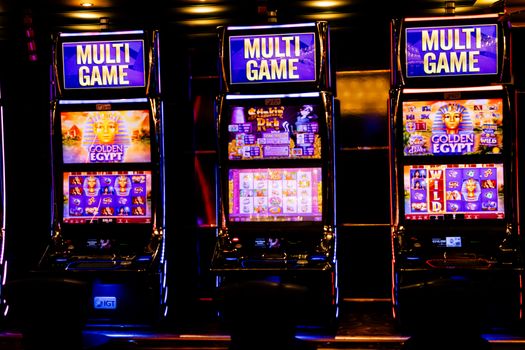
Initially met with skepticism, video slots gained popularity in the 1980s and 1990s as players embraced their bright graphics, immersive sound effects, and bonus features. These innovations included: - Multiple paylines (up to 100 or more per game) - Interactive bonus rounds - Progressive jackpots, linking machines across casinos for multimillion-dollar prizesBy 1996, the release of “Reel ‘Em In” by WMS Industries introduced the first-ever video slot with a second-screen bonus round, further boosting player engagement.
Statistical Impact: - By 1990, slots accounted for 70% of a typical Las Vegas casino’s revenue, up from 30% in the 1970s. - Progressive jackpots hit new heights, with the Megabucks network delivering a record $39.7 million payout in 2003.Online Slots: The Internet Age and Mobile Revolution
The dawn of the internet in the late 1990s and early 2000s unlocked a new era for slot machines. Online casinos made slot games accessible from home computers, and soon after, mobile devices. The shift to digital platforms brought unprecedented variety, creativity, and convenience.
Key Features of Online Slots: - Thousands of unique themes and branded games (e.g., TV shows, movies, celebrities) - Sophisticated random number generators (RNGs) ensure fair play - Enhanced graphics, animations, and soundtracks - Integration of progressive jackpots and live tournamentsSmartphones further accelerated the popularity of slots. By 2023, mobile gaming represented nearly 60% of global online gambling revenue, with slots as the most played category.
Example: - In 2022, the online gambling industry was valued at $63.53 billion, with slot games comprising an estimated 50% of online casino revenue.Comparing Slot Machine Eras: Technology, Gameplay, and Payouts
To appreciate the dramatic changes in slot machines, let’s compare their key features across different eras:
| Era | Main Technology | Symbols & Reels | Payout Method | Example Game | Top Jackpot |
|---|---|---|---|---|---|
| 1890s–1930s | Mechanical | 3 reels, fruit & bell symbols | Manual or small coin payout | Liberty Bell | 50 cents |
| 1960s–1970s | Electromechanical | 3–5 reels, more symbols | Automated coin hopper | Money Honey | 500 coins |
| 1980s–1990s | Video & microprocessor | 5 reels, video graphics | Electronic, ticket-in-ticket-out | Reel 'Em In | $1,000s–$1,000,000s (progressives) |
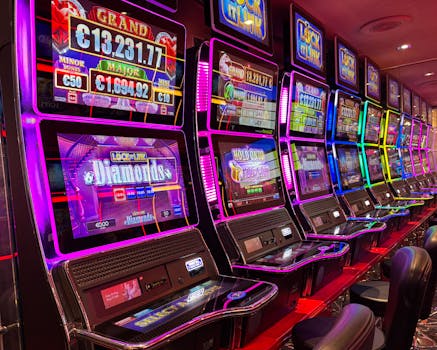
| 2000s–Present | Digital/Online/Mobile | 5+ reels, themed symbols | Digital credits, online payouts | Starburst, Mega Moolah | $20 million+ (online progressives) |
The Influence of Psychology and Regulation
The evolution of slot machines isn’t just about technology; it’s also about understanding human behavior and responding to regulatory pressures. Modern slot machines use cutting-edge psychology to maximize player engagement: - Sound effects and light displays reward wins and near-misses. - “Losses disguised as wins” (LDWs), where players win less than their bet but still see celebratory effects, encourage continued play. - Game volatility and return-to-player (RTP) rates are carefully calibrated to balance excitement and sustainability. Regulation has also played a crucial role: - Early machines paid in gum or candy to bypass gambling laws. - Today, gaming authorities like the Nevada Gaming Control Board and UK Gambling Commission set strict standards for fairness and responsible gaming. - Advanced algorithms and independent auditing ensure modern slots cannot be “rigged” by casinos. Interesting Fact: - The average RTP of regulated online slots is around 96%, meaning $96 returned for every $100 wagered, though this figure varies by game and jurisdiction.Future Trends: What’s Next for Slot Machines?
As we look ahead, the evolution of slot machines shows no signs of slowing down. Several trends are shaping the next generation of slots:
1. Virtual Reality (VR) and Augmented Reality (AR): VR slots immerse players in 3D worlds, while AR overlays slot play onto real environments. 2. Skill-based Elements: Some new slots incorporate video game-like features, letting player choices affect outcomes and appealing to younger audiences. 3. Blockchain and Cryptocurrencies: Provably fair slots using blockchain technology are gaining traction, offering transparent and decentralized gaming. 4. Social Gaming: Free-to-play slots on social networks attract millions, blending entertainment with in-app purchases and competitions. Forecast: - Industry analysts project the global online slot market will surpass $100 billion by 2027, driven by mobile play, new technologies, and expanding legal markets.Reflecting on the Enduring Allure of Slot Machines
The journey of slot machines from simple mechanical novelties to dazzling digital adventures is a testament to human ingenuity and our love of games of chance. From the clinking coins and spinning reels of the past to today’s immersive, mobile-first experiences, slots have continually adapted to new technology, changing laws, and shifting player tastes.
Whether you’re drawn to the nostalgia of the Liberty Bell or the excitement of a progressive jackpot online, slot machines remain a symbol of entertainment, innovation, and the enduring hope that the next spin could change your life. Their story is far from over—and the next chapter promises even more excitement.