The Spinning Story: The Evolution of Slot Machines in Casinos
Slot machines are synonymous with the casino experience, their flashing lights and clinking coins instantly conjuring images of Las Vegas excitement. But these beloved games have a fascinating history that mirrors the transformation of gaming, technology, and entertainment over more than a century. From mechanical marvels to sophisticated digital experiences, the evolution of slot machines is a compelling journey that continues to shape the modern casino landscape.
The Birth of the Slot Machine: From Liberty Bell to Fruit Symbols
The story of slot machines began in the late 19th century. In 1895, Charles Fey, a San Francisco mechanic, invented what is widely considered the first true slot machine: the Liberty Bell. This mechanical device featured three spinning reels, each adorned with five symbols—horseshoes, diamonds, spades, hearts, and the Liberty Bell itself. Pulling the lever spun the reels, and a winning combination of three Liberty Bells awarded the biggest payout: 50 cents.
Fey's invention rapidly caught on, and imitators followed. Due to gambling laws, early machines often dispensed prizes like gum or candy instead of cash. This led to the introduction of fruit symbols—cherries, lemons, and plums—which still persist today. The iconic BAR symbol was originally the logo of the Bell-Fruit Gum company.
.png)
By 1910, slot machines were widespread in bars, saloons, and even some stores. The mechanical design set the template for decades, with physical reels and a lever that gave birth to the nickname "one-armed bandit."
Electromechanical Revolution: From Levers to Lights
The next milestone arrived in 1963 with the introduction of the first electromechanical slot machine: Money Honey, developed by Bally Technologies. This innovative design used electricity to power reels and introduced automatic payouts of up to 500 coins—far more than was possible with purely mechanical designs.
The electromechanical era brought several key changes:
- The lever became optional, with buttons providing an alternative way to play. - Lights and sounds enhanced the excitement, making machines more attractive on the casino floor. - Jackpots grew larger and more frequent, drawing in more players.By the late 1970s, more than 75% of casino floor space in Las Vegas was dedicated to slot machines, reflecting their immense popularity and profitability.
The Video Slot Boom: Digital Transformation in the 1980s and 1990s
The 1980s saw the arrival of video slot machines, a true game-changer. The first fully electronic video slot was developed in 1976 by the Fortune Coin Company in California. Using a modified 19-inch Sony TV for the display, these machines replaced physical reels with virtual ones and introduced entirely new possibilities for game design.
Key innovations of the video slot era included:
- Random Number Generators (RNGs) replaced mechanical stops, ensuring fair and unpredictable outcomes. - Multiple paylines became possible, allowing players to bet on dozens of lines at once. - Bonus rounds and interactive features added depth beyond simple spinning.Video slots quickly dominated casino floors. By 1996, the debut of "Reel 'Em In" by WMS Industries introduced a second-screen bonus game, setting the standard for modern video slots. By the end of the 1990s, over 70% of casino revenue in Nevada came from slot machines, up from just 40% in 1970.
Networked and Progressive Jackpots: Linking Players Worldwide
As technology advanced, slot machines began to connect—not just with players, but with each other. The concept of the progressive jackpot, first introduced in 1986 by IGT's "Megabucks," revolutionized the potential for life-changing wins.
Here's how progressive slots changed the landscape:
- Every time a player spins, a portion of their wager is added to a shared jackpot pool. - These pools can link hundreds or even thousands of machines across multiple casinos. - The result: jackpots that can climb into the tens of millions of dollars.For example, in 2003, a 25-year-old software engineer won $39.7 million on a Megabucks machine at the Excalibur Casino in Las Vegas—the largest slot win in history at the time.
| Era | Key Innovation | Average Jackpot Size | Example Game |
|---|---|---|---|
| 1895-1960 | Mechanical Reels | $0.50 - $10 | Liberty Bell |
| 1963-1980 | Electromechanical | $100 - $500 | Money Honey |
| 1980-1995 | Video Slots & RNGs | $1,000 - $10,000 | Reel 'Em In |
| 1986-Present | Progressive Jackpots | $10,000 - $40,000,000+ | Megabucks |
Online and Mobile Slots: Reimagining the Casino Experience
The dawn of the internet in the late 1990s and early 2000s ushered in the next chapter: online slots. The first online casino, InterCasino, launched in 1996, and digital slots quickly became the most popular games online.
Online slots offered several major advantages:
- Convenience: Playable 24/7 from home or on the go. - Variety: Thousands of themed games, far beyond the physical limits of casino floors. - Innovation: New features such as cascading reels, expanding wilds, and immersive storylines.By 2023, the global online gambling market was valued at over $63.5 billion, with slots accounting for the majority of online casino revenue. Mobile gaming now dominates, with more than 65% of online casino play happening on smartphones or tablets.
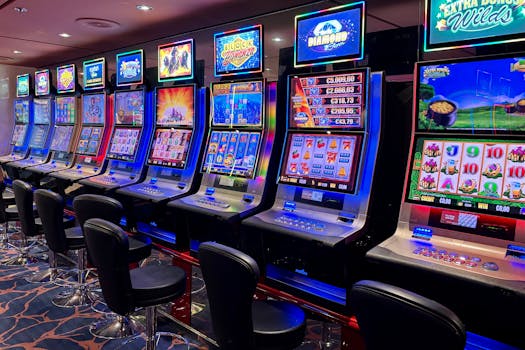
Physical casinos have responded by integrating digital elements into their slot machines, including touchscreens, skill-based mini-games, and personalized rewards.
The Future of Slot Machines: Technology and Personalization
As technology continues to evolve, so does the slot machine. In recent years, several trends have emerged:
- Virtual Reality (VR) and Augmented Reality (AR) slots are being developed, offering immersive 3D environments and interactive features. - Skill-based slots blend traditional luck with elements of player input, appealing to younger generations accustomed to video games. - Artificial Intelligence (AI) powers personalized promotions and game recommendations, tailoring the casino experience to individual preferences.Casinos are also using big data analytics to optimize machine placement, payouts, and engagement. For example, the Nevada Gaming Control Board reported that in 2022, there were over 160,000 slot machines in the state, generating more than $8.2 billion in revenue—63% of all casino earnings.
Regulation remains a key focus, with licensing authorities ensuring fairness, responsible gaming, and player protection, whether on the casino floor or online.
Why the Evolution of Slot Machines Matters for Casinos and Players
Slot machines are more than just games—they are a reflection of technological innovation, changing player preferences, and the business of entertainment. Their evolution has had profound impacts:
- Economic Impact: Slots drive the majority of casino revenue worldwide. - Accessibility: Innovations have made slots available to a global audience, from Vegas to virtual casinos. - Player Experience: Modern slots offer unparalleled variety, excitement, and interactivity.As gaming continues to evolve, slot machines remain at the cutting edge, adapting to new technologies and tastes. Whether you’re drawn by nostalgia for the mechanical “one-armed bandit” or the thrill of chasing a multimillion-dollar progressive jackpot, the story of the slot machine is far from over.