The flick of a card, the anticipation of a “21,” the unmistakable clink of chips—blackjack has been captivating players for centuries. Its journey from the raucous saloons of the American frontier to sleek, modern smartphone apps is a tale of adaptation and enduring popularity. While poker and roulette have their stories, blackjack's evolution mirrors technology’s relentless march and society’s ever-changing tastes in entertainment. Let’s explore the fascinating transformation of blackjack—how a simple card game survived wild west saloons, flourished in glamorous casinos, and now thrives in the digital age.
Origins of Blackjack: From French “Vingt-et-Un” to American Saloons
Blackjack’s story begins long before neon lights and touchscreen play. The earliest known ancestor of blackjack is the French game "Vingt-et-Un" (French for "twenty-one"), which appeared in French casinos in the 1700s. This game was characterized by similar rules to modern blackjack: players aimed to reach a hand value of 21 without exceeding it.
By the early 19th century, the game migrated to North America. American saloons of the 1800s embraced “21,” adapting its rules and adding incentives, such as a 10:1 payout for a hand featuring the ace of spades and a black jack (either the jack of clubs or spades). This bonus is the likely origin of the name "blackjack."
.png)
Saloons weren’t just gambling dens; they were social centers, and blackjack thrived in this setting. With simple rules and a quick pace, it became a staple among cowboys, miners, and entrepreneurs alike. By the turn of the 20th century, blackjack had etched itself into the fabric of American gaming culture.
The Casino Boom: Blackjack’s Golden Age in Las Vegas and Beyond
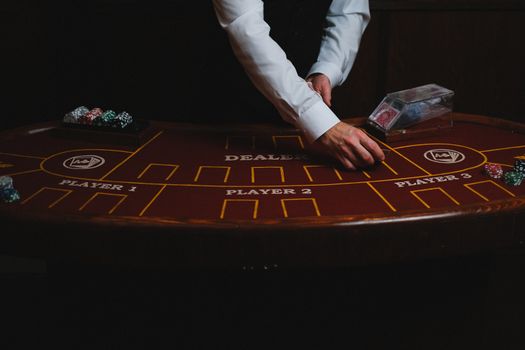
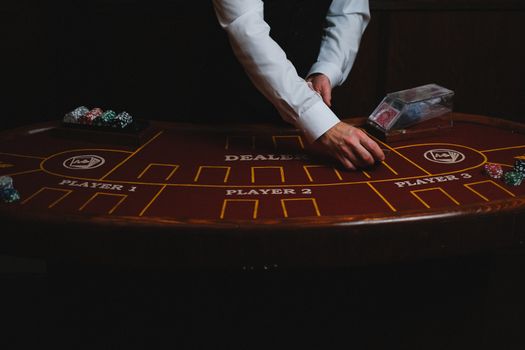
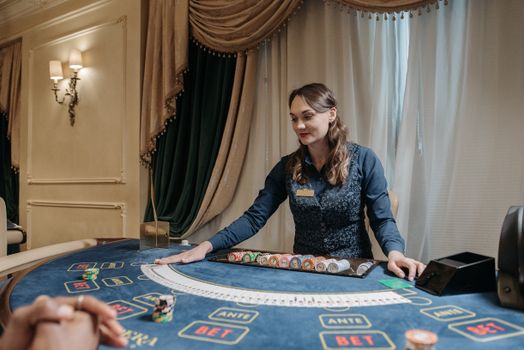
The legalization of gambling in Nevada in 1931 marked a turning point for blackjack. Las Vegas casinos adopted the game, refining its rules and standardizing payouts. By the 1950s, blackjack was the star attraction in glamorous casino halls, drawing celebrities and high rollers to the felt.
This era also saw the rise of professional strategies. In 1956, mathematician Roger Baldwin and his colleagues published the first basic strategy for blackjack, based on probability calculations. Their findings were expanded by Edward O. Thorp in his 1962 classic, "Beat the Dealer," which introduced card counting to the public. Thorp’s work demonstrated that blackjack, unlike many other casino games, could be beaten with skill and mathematics.
By the 1970s, blackjack had become the most popular table game in American casinos. According to the University of Nevada, Las Vegas Center for Gaming Research, blackjack tables outnumbered all other games in Las Vegas casinos throughout the late 20th century. The game’s blend of luck, strategy, and social interaction made it a casino staple worldwide.
The Digital Dawn: Blackjack Enters the Online Era
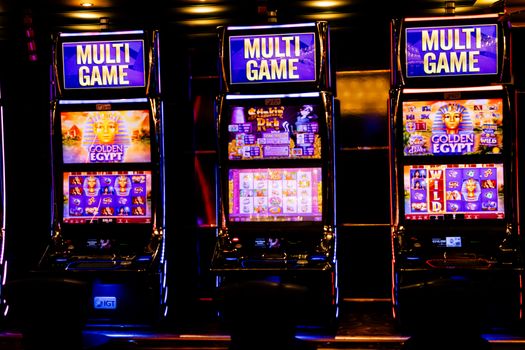
The mid-1990s brought another seismic shift: the Internet. In 1994, the world’s first online casino launched, offering blackjack among its inaugural games. Suddenly, players could enjoy the thrill of twenty-one from the comfort of their homes, 24/7.
Online blackjack opened doors to unprecedented accessibility. No longer restricted by geography or casino hours, millions could play at any time. The game’s digital transition also enabled a variety of new formats: multi-hand blackjack, side bets, and live dealer games streamed in real time.
Statistics underscore this growth: by 2023, the global online gambling market was valued at over $63 billion, with table games like blackjack representing a significant share. A 2022 survey by Statista revealed that 16% of online gamblers worldwide played blackjack regularly.
From PC Monitors to Mobile Screens: Blackjack in Your Pocket
While early online blackjack was confined to desktop computers, the rise of smartphones in the late 2000s changed everything. With Apple’s App Store launching in 2008 and Android following soon after, casino gaming went mobile. Blackjack apps quickly became popular, offering both real-money and free-play experiences.
By 2024, mobile devices account for over 60% of all online gambling traffic, according to H2 Gambling Capital. Mobile blackjack apps now feature intuitive interfaces, customizable tables, social features, and even augmented reality (AR) elements. Players can compete in tournaments, challenge friends, and switch between multiple blackjack variants with a tap.
The convenience of mobile blackjack is unmatched: whether on a lunch break, commuting, or relaxing at home, millions of users now have a virtual casino in their pockets.
Comparing Blackjack Across Eras: Saloons, Casinos, and Smartphones
To understand just how far blackjack has come, let’s compare key aspects of the game across its three main eras:
| Era | Main Venue | Accessibility | Game Rules | Player Interaction | Average Payout |
|---|---|---|---|---|---|
| Saloon (1800s) | American Saloons | Limited (regional, in-person only) | Varied, often with house rules | High (social, lively) | 10:1 bonus for "blackjack" |
| Casino (1930s–2000s) | Land-based Casinos | Regional, but more widespread | Standardized by house rules | Moderate (table socialization) | 3:2 payout for blackjack |
| Smartphone (2010s–now) | Mobile Devices & Online Casinos | Global, 24/7 access | Highly standardized, multiple variants | Varies (from solo play to online chat & tournaments) | 3:2 or 6:5 payout, depending on app |
This table highlights the dramatic shifts in accessibility and player experience. Where once players had to travel to a saloon or casino, today’s enthusiasts can play anytime, anywhere.
Blackjack’s Cultural Impact and Enduring Appeal
Blackjack’s journey is not just technological—it’s deeply cultural. The game has appeared in countless films (from classics like “Rain Man” to “21”), novels, and television. Its blend of skill and chance has inspired mathematicians, gamblers, and everyday players.
In the 1970s and 1980s, legendary teams like the MIT Blackjack Team famously beat casinos using card counting—a saga that became the subject of books and movies. The allure of “beating the house” remains a powerful draw.
Today, blackjack continues to attract a broad demographic. According to the American Gaming Association, blackjack is the most played table game in the United States, with over 42% of table game players choosing it over others. Its simple rules, fast pace, and strategic depth ensure its relevance in every generation.
Responsible Play and the Future of Blackjack
As blackjack has evolved, so too has the conversation around responsible gaming. Online and mobile platforms now feature robust tools: deposit limits, self-exclusion options, and real-time support for those at risk of problem gambling. The UK Gambling Commission reported in 2023 that 92% of licensed operators offered self-exclusion, compared to just 75% in 2017—a sign of growing industry responsibility.
Looking ahead, technologies like virtual reality (VR) and artificial intelligence (AI) promise to further transform blackjack. VR casinos already allow players to sit at virtual tables with lifelike avatars, while AI can personalize gameplay and detect risky patterns.
But at its core, blackjack’s enduring appeal is timeless: the thrill of the game, the chase for 21, and the tantalizing possibility of beating the odds.
Blackjack’s Enduring Journey: From Old West to Digital World
From its smoky origins in the saloons of the American frontier to the sleek interfaces of modern smartphones, blackjack’s evolution is a testament to its universal appeal. Each era has left its mark—whether in the raucous camaraderie of 19th-century saloons, the strategic battles of Las Vegas, or the seamless convenience of mobile play.
What unites blackjack players across centuries is the game’s elegant simplicity and the ever-present hope that, with the right move, the next hand could be a winner. As technology continues to advance, blackjack’s story is far from over—its next chapter is just a tap away.