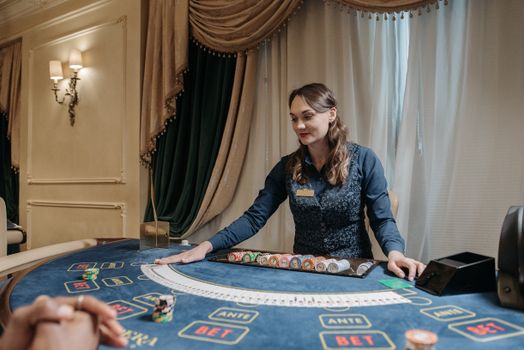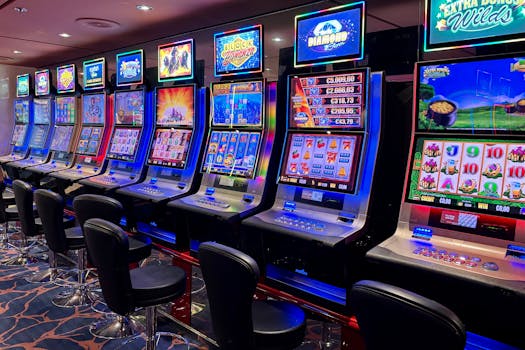
Casinos have always captivated audiences, with their glittering lights, high-stakes drama, and the promise of fortune or ruin in a single moment. Nowhere is this allure more pronounced than in Hollywood films, where casinos serve as iconic backdrops for tales of glamour, deception, and suspense. From the classic heist movies of the 1960s to contemporary blockbusters, the portrayal of casinos in Hollywood reflects not only society’s fascination with gambling but also evolving cultural attitudes toward risk, luxury, and morality. This article delves deep into how Hollywood has depicted casinos over the decades, the recurring themes, the impact on real-world perceptions, and how cinematic portrayals compare to the realities of casino life.
The Evolution of Casino Imagery in Hollywood Movies
Hollywood’s relationship with casinos dates back nearly a century, but the portrayal of gambling establishments has shifted dramatically over time. Early films in the 1930s and 1940s, such as “Gambling Ship” (1933) or “Lady for a Day” (1933), depicted casinos as shadowy dens of vice, often populated by gangsters and morally ambiguous characters. These early portrayals mirrored a time when gambling was mostly illegal across much of the United States and associated with organized crime.
The 1960s marked a turning point with films like the original “Ocean’s 11” (1960), which introduced the glitzy Las Vegas casino as a playground for suave, sophisticated operators. The Rat Pack’s antics in the film cemented the idea of the casino as a place of cool, calculated risk-taking and high society intrigue.
.png)
By the 1990s and 2000s, with movies like “Casino” (1995), “Rounders” (1998), and the remake of “Ocean’s Eleven” (2001), casinos were depicted as both glamorous and dangerous—places where fortunes are made and lost, and where the line between hero and villain is often blurred. These films often drew directly from real events and figures, dramatizing the tension between the allure of easy money and the darker realities of addiction and corruption.
Today, casino scenes are a staple across genres, from romantic comedies and thrillers to superhero blockbusters (such as “Skyfall” or “Iron Man”). The setting remains synonymous with excitement, unpredictability, and the intoxicating possibility of reinvention.
Recurring Themes and Tropes in Casino Films
Hollywood’s casino films consistently employ a handful of recurring themes and visual motifs. Among the most prominent are:
1. $1 Whether it’s a poker game in “Casino Royale” (2006) with $115 million in the pot, or a roulette wheel spin deciding a character’s fate, the casino is the ultimate symbol of risk and reward. The tension is often heightened by rapid camera cuts, close-ups of cards or chips, and the ever-present possibility of betrayal. 2. $1 The casino heist is a genre unto itself. Movies like “Ocean’s Eleven” and “The Hangover” capitalize on the idea of outsmarting the system. These films often glamorize elaborate schemes, with protagonists portrayed as lovable rogues rather than criminals. 3. $1 Lavish costumes, champagne, and luxury cars are staples of the casino film. This opulence is exemplified in films like “The Great Gatsby” (2013) and “21” (2008), which showcase the trappings of wealth available to casino winners—or at least, to those pretending to be. 4. $1 Just as often, casino movies serve as cautionary tales. Martin Scorsese’s “Casino” chronicles the rise and fall of casino moguls, highlighting how greed and excess can lead to ruin. Similarly, “Owning Mahowny” (2003), based on a true story, depicts the devastating impact of gambling addiction. 5. $1 Casinos are frequently portrayed as otherworldly spaces—whether in Monte Carlo, Macau, or Las Vegas—allowing audiences to escape ordinary life and fantasize about wealth and adventure.Fact vs. Fiction: How Accurate Are Hollywood Casinos?
While Hollywood uses real casino locations and occasionally bases plots on true events, the reality of casino life is often far more mundane than the movies suggest. For example, the odds in games like blackjack or roulette are mathematically fixed, offering little room for the kind of dramatic “hot streaks” depicted on screen.
Security in actual casinos is far more sophisticated than what is usually shown. Real Las Vegas casinos employ hundreds of surveillance cameras, facial recognition technology, and teams of security experts—making elaborate heists like those in “Ocean’s Eleven” virtually impossible in reality.
Moreover, the clientele in most casinos is far more diverse than the glamorous high-roller stereotype. According to the American Gaming Association, over 100 million Americans visited a casino in 2023, with the average gambler spending just $100 per visit. In contrast, Hollywood often focuses on the ultra-wealthy or the desperate, ignoring the everyday recreational gambler.
The table below compares some common Hollywood tropes with real-world casino facts:
| Hollywood Trope | Reality |
|---|---|
| High-stakes games with millions won or lost in a night | Average table limit in Vegas: $5–$5,000; most wins/losses are modest |
| Frequent casino heists and cons | Successful heists are extremely rare due to advanced security |
| Casinos filled with celebrities and high rollers | Most visitors are tourists or locals; high-rollers are a small minority |
| Instant riches or ruin from a single bet | Casino games favor the house; life-changing wins are rare |
| Romantic encounters and intrigue | Most visitors come in groups, couples, or alone for recreation |
The Impact of Hollywood on Casino Culture and Tourism
Hollywood’s glamorous depiction of casinos has had real-world consequences, influencing public perceptions and even shaping tourism trends. The “James Bond effect” is well-documented: after “Casino Royale” was released in 2006, the Montenegro casino featured in the film saw a 40% increase in tourism. Similarly, Las Vegas experienced a surge in visitors after the release of “Ocean’s Eleven” in 2001, with the Bellagio’s fountains becoming an instantly recognizable symbol.
These films also popularized certain games—most notably poker. The release of “Rounders” in 1998 coincided with a boom in Texas Hold’em’s popularity, contributing to a 300% increase in entries at the World Series of Poker between 1999 and 2003.
Even the visual language of casinos—red carpets, velvet ropes, and neon lights—has been shaped by cinematic portrayals. Many casino resorts intentionally mimic Hollywood set designs, knowing that tourists are seeking the movie fantasy as much as the games themselves.
However, critics argue that Hollywood can also romanticize gambling, downplaying the risks of addiction. In fact, studies by the National Council on Problem Gambling have shown that media depictions can contribute to unrealistic expectations and problem gambling behaviors in susceptible individuals.
Iconic Casino Films and Their Cultural Legacy
Several Hollywood films have achieved classic status, not just as casino movies but as cultural touchstones. Here are a few of the most influential:
- $1 Martin Scorsese’s epic examines the rise and fall of the mob in Las Vegas, based on real-life figures Frank Rosenthal and Tony Spilotro. The film grossed over $116 million worldwide and is widely regarded as a masterpiece of crime cinema. - $1 This slick heist film rebooted the Rat Pack classic, earning over $450 million globally and spawning two sequels and a spin-off. The film’s depiction of Las Vegas as a playground for the clever and daring influenced everything from fashion to casino marketing. - $1 Daniel Craig’s first outing as James Bond revitalized the franchise and brought poker to a new generation. The film’s centerpiece, a high-stakes Texas Hold’em game, is widely considered one of the most memorable gambling scenes in cinema. - $1 Based on the true story of the MIT Blackjack Team, “21” dramatized the art of card counting. The film earned $157 million worldwide and introduced millions to the concept of “beating the house.” - $1 While a comedy, the film’s raucous portrayal of a Las Vegas bachelor party gone wrong reinforced the city’s reputation as a place for wild, unpredictable adventure.These movies, among others, continue to shape how audiences think about casinos—both as places of adventure and as symbols of risk, reward, and reinvention.
Changing Portrayals: Diversity and New Narratives
Recent years have seen a shift in how Hollywood approaches casino stories. There is a growing recognition of the diversity of casino patrons and employees, and an effort to move beyond tropes of the male, white, high-roller. Films like “Molly’s Game” (2017), based on the true story of Molly Bloom, a former Olympic-class skier who ran one of the world’s most exclusive high-stakes poker games, have brought women’s perspectives to the forefront.
Similarly, movies set in Asian casinos, like “Skyfall” (2012) or “Now You See Me 2” (2016), reflect the global expansion of gaming culture. Macau, now the world’s largest gambling hub (with annual revenues surpassing $36 billion in 2019, more than five times that of Las Vegas), is increasingly featured as a cinematic setting.
The rise of online casinos has also begun to influence film, with plots revolving around digital heists, hacking, and cybercrime—areas ripe for further exploration as the industry continues to evolve.
Final Reflections: Hollywood’s Lasting Influence on Casino Perceptions
The portrayal of casinos in Hollywood films is a fascinating mirror of society’s evolving attitudes toward risk, luxury, and the quest for fortune. While the silver screen often exaggerates the excitement and downplays the dangers, these films have undeniably shaped the way we view gambling and the casino experience. From classic tales of intrigue and glamour to modern explorations of diversity and digital innovation, casino movies remain a vibrant and influential genre—one that will likely continue to evolve as both the gaming industry and audience expectations change.