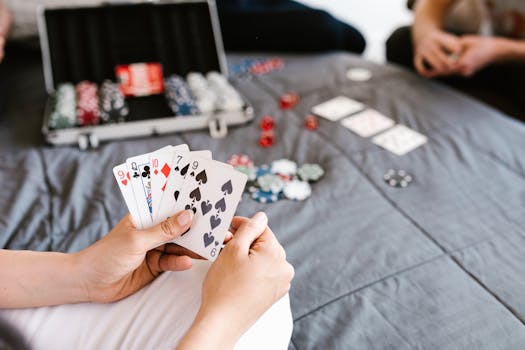
- Understand the Rules and Hand Rankings
Before you sit down at a poker table, ensure you're well-versed in the rules of the game. Poker has various forms, including Texas Hold'em, Omaha, and Seven-Card Stud, each with unique rules and strategies. Also, be sure to know the hand rankings intimately; knowing what beats what is fundamental to your decision-making in the game.
- Select the Appropriate Table
Choosing the right table can significantly impact your success in live casino poker. Opt for a table that matches your skill level and bankroll. Beginners should consider starting at lower stakes tables to get comfortable with the gameplay and assess the skill level of other players. Observing a table before joining can also offer insights into the playing styles and strategies of potential opponents.
- Manage Your Bankroll
Effective bankroll management is critical in gambling. Set a budget for how much you're willing to risk and adhere strictly to it. Always play within your financial limits to avoid undue stress. Avoid the temptation to chase losses by moving up to higher stakes games in hopes of quick recovery.
.png)
- Observe Your Opponents
The ability to directly observe your opponents is a unique advantage of live poker. Watch for tells—subtle changes in behavior or demeanor that can indicate the strength of a player's hand. Paying attention to these details can give you a strategic edge, helping you make more informed decisions about how to play your hands.
- Understand the Importance of Position
Position is a pivotal element of poker strategy. Being in a late position, where you are one of the last to act, provides the benefit of observing others’ actions before you make your own move. This can be crucial in deciding whether to raise, call, or fold.
- Develop and Adapt Your Strategy
While luck plays a role, successful poker relies heavily on strategy. Develop a game plan that plays to your strengths and adapt it over time based on your experiences and observations at the table. A flexible strategy is often a winning one.
- Keep Emotions at Bay
Poker can be emotionally intense. It’s vital to maintain emotional control and avoid tilting—letting frustration or anger dictate your actions. A clear head will help you make rational decisions and prevent costly mistakes.
- Practice Regularly
Skill in poker is honed through practice. Engage in lower-stakes games where the financial risk is minimal to refine your skills. Many casinos offer tables or tournaments geared towards novices, which can serve as excellent practice grounds.
- Reflect on Your Play
Each game, win or lose, provides valuable lessons. Review and analyze your play after each session to identify strengths and areas for improvement. Understanding what you did well and what could be better will help you improve as a player.
- Stay Informed
Poker is an evolving game with continually developing strategies and theories. Keep yourself informed about the latest trends and tactics by reading relevant literature, watching instructional videos, and following professional poker players. Continuous learning is key to keeping your edge in this competitive field.
By applying these tips, you can enhance your skills and boost your chances of success at the poker table. Remember, consistent practice and a commitment to learning are essential components of becoming a proficient poker player. Good luck, and may your next hand be a royal flush!