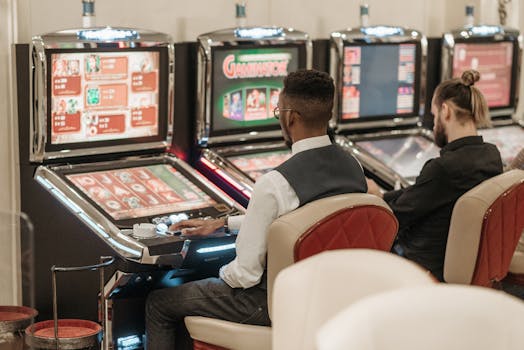
The fascinating journey of casinos from ancient civilizations to today's digital platforms reflects the enduring allure of gambling and its ability to adapt to cultural and technological shifts. From rudimentary games in ancient times to sophisticated online platforms, casinos have continually evolved, shaping and being shaped by the societies in which they operate.
Ancient Beginnings
The roots of gambling stretch back to ancient civilizations. In 2300 BC, the Chinese documented some of the first instances of gambling. Ancient Egypt, Greece, and Rome also embraced gambling, albeit not in dedicated establishments like today's casinos. These early forms of gambling set the stage for more organized venues that would later emerge.
.png)
The Birth of the Casino
The term "casino" originates from the Italian word "casa," meaning a house. In Italy, during the 17th century, casinos started as social clubs for the elite, providing a venue for music, dance, and occasional games of chance. The establishment of the Ridotto in Venice in 1638 marked the debut of the first recognized European gambling house, aligning more closely with today's concept of a casino.
European Expansion
Gambling's popularity in Europe led to the proliferation of similar venues across the continent. In Germany and France, casinos began to appear in spa towns like Baden-Baden, becoming glamorous attractions for the aristocracy and wealthy businessmen. These establishments set a precedent for the luxury and style often associated with modern gambling venues.
The American Experience
In the United States, casinos gained prominence in the early 20th century, with Nevada legalizing gambling in 1931 during the Great Depression to stimulate the economy. Las Vegas transformed from a remote desert town into the gambling capital of the world, with the development of the Las Vegas Strip in the mid-20th century. This period also saw the rise of casino resorts, blending gambling with other forms of entertainment to offer a comprehensive experience.
Rise of Asia
In recent decades, Asia has become a significant force in the global casino market, with Macau surpassing Las Vegas in gambling revenue. Casinos in Macau, Singapore, and the Philippines attract both tourists and local patrons with a mix of Eastern and Western games, becoming major economic and cultural fixtures.
The Digital Era
The advent of the internet ushered in the era of online gambling, making casino games accessible globally. Online casinos offer a myriad of games, from slots to live dealer games, catering to a diverse audience and introducing new challenges in regulation and security.
Impact and Future Outlook
Throughout history, casinos have influenced and been influenced by economic and social policies. They have been seen as both economic boosters and potential sources of social issues. The future of casinos will likely continue to be intertwined with technological advancements and cultural shifts, adapting to meet the changing preferences and economic conditions of society.
Conclusion
The history of casinos is a testament to humanity's enduring fascination with luck and risk. From ancient palaces to the virtual realms of the internet, casinos have continuously evolved, reinventing themselves to suit the times while maintaining the essence of gambling. As technology and society continue to evolve, so too will the world of casinos, promising new developments and challenges in the years to come.