Casinos are increasingly turning to data analytics as a transformative tool for improving both operational efficiencies and customer satisfaction. This sophisticated approach involves compiling and examining vast amounts of data derived from various sources to enhance decision-making processes and tailor services to meet customer preferences more effectively.
Data Collection and User Experience Enhancement
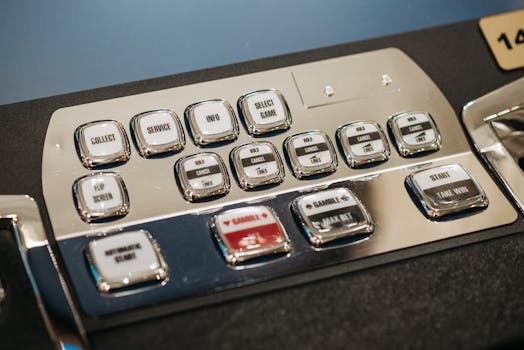
Casinos gather data from multiple touchpoints, including slot machines, gaming tables, customer feedback, and transaction records. This wealth of information is analyzed to understand and anticipate customer preferences and behaviors. For instance, data on the most frequented games or peak gaming times helps casinos manage their offerings to maximize both customer satisfaction and revenue.
.png)
Optimizing Game Selection and Placement
Data analytics enables casinos to optimize their game floor layouts based on player engagement and game performance. Analysis of player interaction with different types of games—whether video slots, poker, or table games—allows casinos to strategically adjust the number and type of games offered. This not only enhances the gaming experience by aligning with player preferences but also boosts the casino’s operational efficiency by prioritizing high-engagement games.
Tailored Marketing Strategies
With insights gained from data analytics, casinos can craft personalized marketing campaigns. Understanding player demographics and behavior helps in designing offers that appeal to specific groups. For example, data might show that younger visitors prefer digital slots and are more active in the evenings. Casinos can use this information to create targeted promotions that attract this demographic at optimal times.
Enhancing Customer Loyalty
Data analytics also plays a crucial role in developing customer loyalty programs. By identifying the most loyal customers and understanding their preferences, casinos can offer personalized rewards that encourage repeat visits. These programs are designed based on detailed insights into customer behavior, preferences, and satisfaction levels, ensuring they provide real value to the patrons.
Predictive Analytics in Casino Management
Predictive analytics uses historical data to forecast future player behaviors and preferences. This can be crucial for planning and resource allocation. For instance, if predictive models suggest an increase in demand for certain types of games or services during specific times of the year, casinos can prepare by adjusting their offerings and staffing levels accordingly.
Security and Fraud Detection
In the realm of casino management, security is paramount. Data analytics aids in enhancing security by employing algorithms that detect unusual or suspicious behavior patterns among players. This not only helps in preventing fraud and cheating but also ensures compliance with gaming regulations, maintaining a fair and secure environment for all patrons.
Operational Efficiency and Resource Management
Finally, data analytics assists in the overall management of casino operations. By analyzing traffic flows, player engagement, and resource utilization, casinos can better manage staff schedules, game maintenance, and customer service. This optimizes operational costs and improves the visitor experience by reducing wait times and ensuring high service quality.
Conclusion
The integration of data analytics in the casino industry marks a significant shift towards more data-driven management. By leveraging detailed insights into customer behaviors and preferences, casinos can not only enhance the individual gaming experience but also improve their overall operational effectiveness. As technology evolves, the role of data analytics in shaping the future of casino operations continues to expand, promising even more personalized and efficient gaming environments.