The Rise of 24/7 Casino Culture: Weighing the Pros and Cons
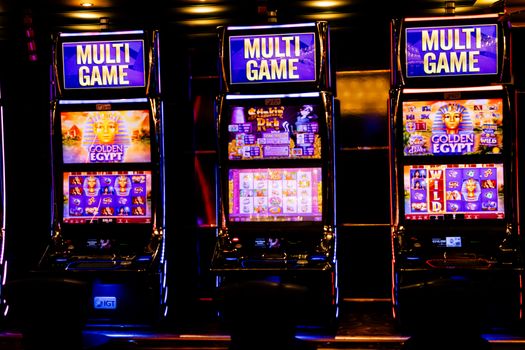
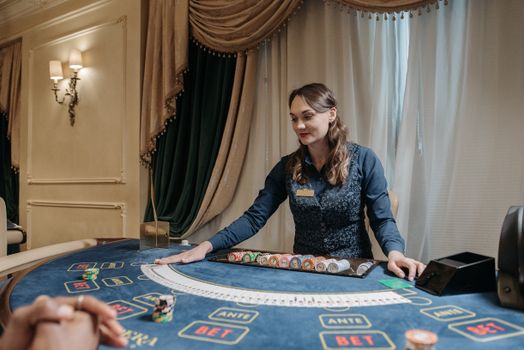
If you’ve ever wandered through the glowing halls of a casino in the early hours of the morning, you may have noticed something extraordinary: the action never stops. In cities like Las Vegas, Macau, and Atlantic City, as well as countless online platforms, the world of gambling has evolved into a 24/7 phenomenon. The "always open" casino culture caters to restless night owls, international tourists, and anyone who craves excitement at any hour. But what does this round-the-clock availability mean for society, individuals, and the industry itself? Let’s explore the sweeping impacts—both positive and negative—of the 24/7 casino culture that’s reshaping entertainment, hospitality, and even our daily routines.
The Allure and Economic Impact of 24/7 Casinos
The 24/7 model didn’t appear overnight. It grew out of the need to cater to diverse clienteles—shift workers, jet-lagged travelers, and revelers who want their fun to last longer than the sunset. This approach has proven to be a financial boon for casino operators and local economies alike.
In Las Vegas alone, casinos generated over $8.28 billion in gaming revenue in 2022, according to the Nevada Gaming Control Board. One key driver? The continuous flow of customers made possible by never closing their doors. This impacts not just casino profits but also the broader economy: 24-hour operations create thousands of jobs, from dealers to security staff to hospitality workers, and fuel surrounding businesses such as restaurants, hotels, and transport services.
.png)
International casino hubs like Macau have taken this model to new heights. In 2019, Macau’s casino industry reported a staggering $36.5 billion in revenue, dwarfing Las Vegas. The 24/7 format is a major factor, allowing a constant influx of visitors from across Asia and beyond.
Online casinos have also embraced the 24/7 culture. Global online gambling revenue reached $81.08 billion in 2022, according to Statista, with round-the-clock access being a primary attraction for players seeking convenience and flexibility.
Benefits of Around-the-Clock Casino Access
The nonstop casino culture offers several advantages for both individuals and communities.
1. Convenience and Flexibility: For players, the ability to gamble at any time means fitting entertainment around variable work schedules or personal commitments. Night-shift workers, international visitors, and those in different time zones can all participate without restrictions. 2. Tourism and Economic Growth: 24-hour casinos are magnets for tourism, drawing visitors who might otherwise seek entertainment elsewhere. This influx translates to increased spending on hotels, dining, shopping, and local attractions. In 2019, Las Vegas welcomed 42.5 million visitors, in part due to its reputation for never sleeping. 3. Job Creation: Continuous operations require more staff, leading to job opportunities for local residents across a range of sectors. For example, the U.S. casino industry directly employs over 1.8 million people, many of whom work non-traditional hours. 4. Enhanced Entertainment Experience: The 24/7 environment amplifies the excitement and energy in a casino. Live shows, tournaments, and special events can be scheduled throughout the day and night, catering to every demographic.Drawbacks and Social Risks of 24/7 Casino Operations
Despite their economic advantages, round-the-clock casinos present notable downsides that spark debate among policymakers, health experts, and community leaders.
1. Increased Risk of Problem Gambling: Easy, continuous access can exacerbate gambling addiction. Studies from the National Council on Problem Gambling estimate that about 2% of U.S. adults—or 6 million people—struggle with gambling problems. The availability of 24/7 gambling is linked to longer play sessions and higher losses, making it harder for vulnerable individuals to set boundaries. 2. Social and Family Disruption: The possibility of gambling at any hour can interfere with family life, work obligations, and sleep patterns. For some, late-night sessions lead to fatigue, absenteeism, or relational stress. 3. Higher Crime Rates: Some research has found correlations between late-night casino hours and increased rates of crime, particularly theft, fraud, and disorderly conduct. While causation is complex, the potential for negative externalities cannot be ignored. 4. Health Concerns: Continuous casino environments can encourage unhealthy behaviors, such as sedentary lifestyles, poor nutrition, and disrupted sleep. Bright lights and the absence of clocks or windows in many casinos are specifically designed to make time feel irrelevant, which can have long-term health effects.Comparing Land-Based vs. Online 24/7 Casino Culture
The digital age has brought the 24/7 casino ethos to the internet, but there are important distinctions between online and brick-and-mortar experiences. The following table highlights key differences:
| Aspect | Land-Based Casinos | Online Casinos |
|---|---|---|
| Accessibility | Limited to physical location; travel required | Accessible anywhere with internet |
| Operating Costs | High (staff, utilities, facilities) | Lower (primarily software and servers) |
| Social Experience | In-person interaction, live events | Mostly solitary or virtual interaction |
| Regulatory Oversight | Strict local and national regulations | Varies widely; some jurisdictions less regulated |
| Addiction Risk | High, but mitigated by physical barriers | Potentially higher due to privacy and constant access |
| Economic Impact | Direct benefit to local economy | May benefit offshore or remote operators |
This comparison shows that while both forms offer 24/7 availability, the risks and rewards are distributed differently. Online casinos, for example, may present greater risks for addiction due to their privacy and convenience, but land-based venues have a more direct impact on local economies.
24/7 Casino Culture and Urban Development
Cities that embrace 24/7 casino operations often experience significant urban transformation. Las Vegas is a prime example: its economy, infrastructure, and social fabric have adapted around the constant pulse of casino life. Public transportation, emergency services, and hospitality businesses all operate on extended or continuous schedules to support the influx of people at all hours.
This transformation is not limited to traditional casino hubs. In places like Singapore and the Philippines, integrated resorts featuring casinos, luxury hotels, shopping malls, and convention centers have become engines of economic growth. The 24/7 model is central to their strategy, maximizing revenue and foot traffic.
However, not all urban impacts are positive. Increased traffic congestion, noise, and light pollution can affect quality of life for residents. Cities must balance the economic benefits of nonstop casino operations with the need for livable, sustainable communities.
Regulation and Responsible Gambling in a 24/7 World
To mitigate the risks associated with round-the-clock gambling, governments and casino operators have implemented a range of safeguards:
1. Self-Exclusion Programs: Many casinos, both physical and online, offer programs that allow players to voluntarily ban themselves from gambling for a fixed period. 2. Time and Spending Limits: Some venues and online platforms enable players to set daily, weekly, or monthly limits on their gambling activity. 3. Staff Training: Employees are often trained to recognize signs of problem gambling and intervene when necessary. 4. Public Awareness Campaigns: Governments and nonprofits run campaigns to educate the public about the risks of excessive gambling and provide information about support services.For example, in the United Kingdom, the Gambling Commission requires online operators to implement measures such as mandatory reality checks, cooling-off periods, and direct links to helplines. Similar requirements are now being adopted in other parts of the world as awareness of 24/7 gambling risks grows.
Final Thoughts on the Pros and Cons of 24/7 Casino Culture
The advent of 24/7 casino culture is a testament to the ever-evolving world of entertainment and leisure. It offers undeniable economic, social, and recreational benefits—injecting vitality into cities, creating jobs, and giving people the freedom to play whenever they choose. Yet this constant availability also brings significant challenges: heightened risks of addiction, social disruption, and health concerns.
As the casino industry continues to expand—both physically and virtually—it is crucial for operators, regulators, and communities to strike a balance. Responsible gambling measures, thoughtful urban planning, and ongoing public education will remain essential as we navigate the bright lights and shadows of the 24/7 casino era.